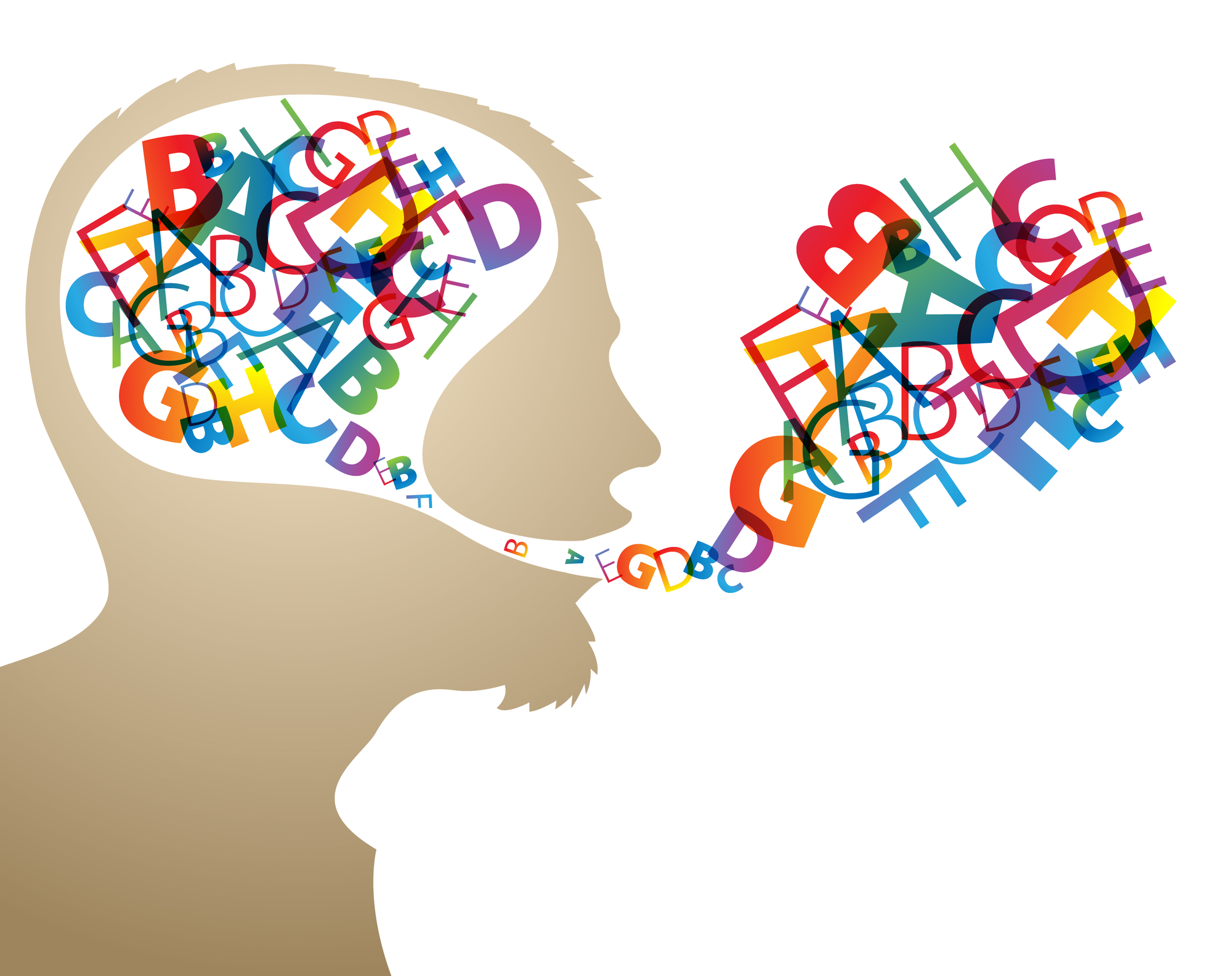
Understanding and Being Understood.
Language disorders are not the same as speech disorders. You can have problems with language while your speech is perfect. Here are some key differences/definitions of language disorders. Receptive language disorder: your child is having difficulty understanding what they are being told or processing other written/verbal input. Expressive language disorder: your child is having difficulty saying what they want to say in order to get their point or meaning across. We can help with both. Studies have shown that as much as 5% of children have expressive and/or receptive language problems before they reach the first grade. This is not a phase your child is going through, but it is very treatable. Expressing and understanding language is key to success in school and life. Contact us today if you want to learn more or make an appointment. Do not delay! These issues are not 'phases' that your child will grow out of.

What Does a Speech-Language Pathologist Do for Language Disorders?
A Speech-Language Pathologist (SLP), commonly known as a speech therapist, is a licensed professional who evaluates and treats language disorders in children and adults. A language disorder affects a person’s ability to understand others (receptive language), express thoughts and ideas (expressive language), or both. This can impact vocabulary development, sentence structure, grammar, comprehension, and overall communication effectiveness. SLPs work to strengthen language skills through individualized therapy that promotes clearer communication, improved understanding, and more confident expression. Therapy may involve structured activities, play-based learning, visual supports, modeling, and real-life practice. SLPs may work in schools, private practice, hospitals, teletherapy, or early intervention programs, and routinely collaborate with families, caregivers, and educators to support progress across settings.
Responsibilities of a Speech-Language Pathologist Supporting Language Disorders:
-
Assess receptive and expressive language abilities through standardized tests, observation, and caregiver input
-
Help individuals understand spoken and written language more effectively
-
Build expressive language skills including vocabulary, sentence structure, grammar, and storytelling
-
Support comprehension of questions, directions, and concepts used in everyday communication
-
Teach strategies for organizing thoughts and expressing ideas clearly
-
Use visuals, modeling, repetition, and structured activities to reinforce learning
-
Collaborate with families and teachers to support communication in home, school, and community environments
-
Develop personalized treatment plans that build communication confidence and functional language skills